Cafe Racer Pros and Cons
A cafe racer is one of the most recognisable custom styles, but the same things that make it look right make it harder to live with. Here is the honest list, so you know what you are signing up for before you buy one or start cutting.
The pros
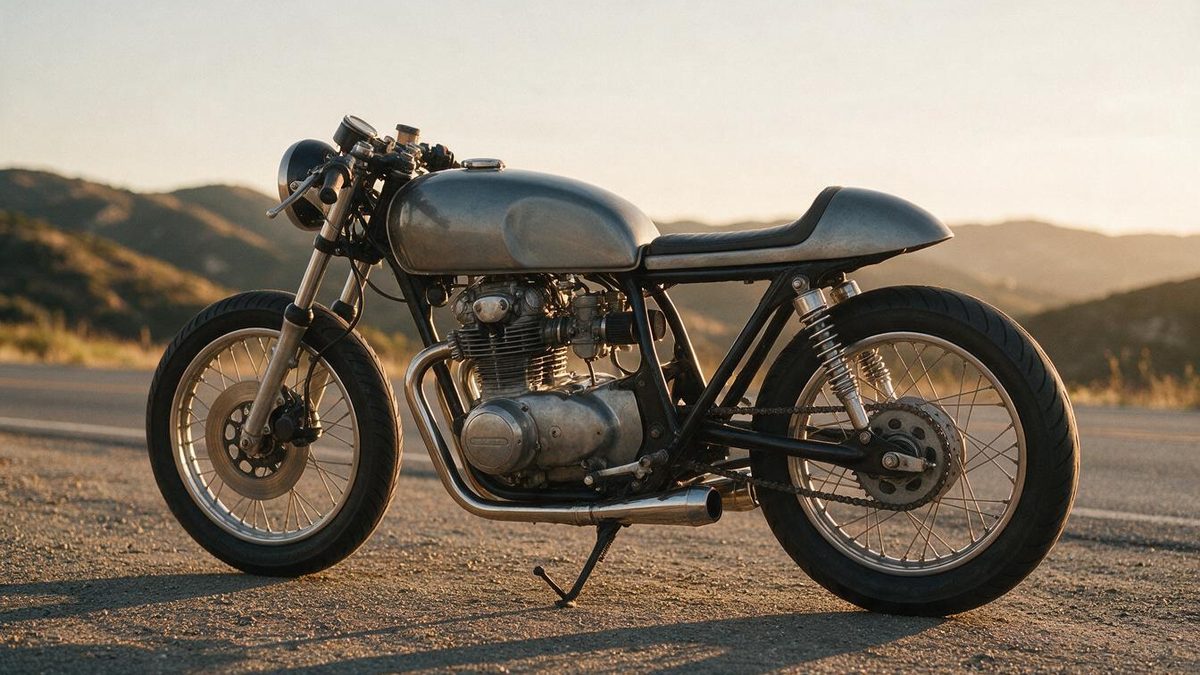
- The look. Low bars, a long tank and a humped seat make one of the most recognisable custom silhouettes. A well-proportioned cafe racer turns heads at any bike night.
- Lighter and simpler. Removing bags, big fenders, heavy seats and extra brackets takes weight off, and a lighter bike accelerates, brakes and turns better.
- Sharper handling. With your weight further forward, the bike turns in more eagerly. On a twisty road that is the whole point.
- Affordable way into a custom bike. Many classic donors (Honda CB and CX, Yamaha XS and SR, Suzuki GS) are often still affordable compared with other ways into a custom (though good ones are getting dearer), and aftermarket parts for the popular ones are easy to find. See our donor bike guides for which ones make sense.
- You learn the bike. Building or maintaining one teaches you carbs, wiring and brakes. That knowledge saves money for as long as you ride.
- It is yours. No two home builds end up the same, and the community around the style is big and generous with help.
The cons
- Comfort. Clip-ons put weight on your wrists and rearsets fold your knees. In traffic and on rough roads it gets tiring quickly, and low bars reduce steering lock for tight turns.
- No passenger, little luggage. A single seat with a cowl usually means riding alone, and there is little room for bags.
- Old-bike reliability. Most cafe racers are built on bikes that are decades old. Wiring, charging systems, carbs and seals need attention, and a badly done build is worse than the stock bike it started as.
- Weather and visibility. Little wind or rain protection, small lights and short fenders that throw spray. Some builds also fit tiny indicators and mirrors that are hard to see or hard to use.
- Legal and inspection hassles. Removed lights, mirrors, fenders or reflectors can fail an inspection or get you a ticket, depending on where you live. Paperwork for old project bikes can be messy too; see titles and registration.
- Insurance. Insurers may value a modified bike as the stock model unless you agree a value up front, so declare modifications and keep receipts.
- Resale. Home builds often sell for less than the donor plus parts cost, because buyers pay for condition and reliability, not hours spent. The cost breakdown shows where the money goes and what comes back.
Are cafe racers good for long rides?
They can do long rides, but they were never designed for them. The original cafe racers were built for short bursts between cafes, and the modern style keeps the same riding position. Over a long day, the usual complaints are sore wrists and a stiff neck from the forward lean, cramped knees from rear-set pegs, a thin seat and nowhere to put luggage.
If you want a cafe racer you can tour on, these changes help the most while keeping the look:
- Clubman bars or higher clip-ons. Clip-ons that mount above the top yoke, or clubman bars, take a lot of weight off your wrists.
- Mid-set instead of full rearsets. Pegs closer to stock open up your knees and hips.
- A better seat. A thicker foam or gel insert in the solo seat makes a bigger difference than most riders expect.
- Luggage that fits the style. A small tail bag, tank bag or waxed-canvas saddlebags on a simple rack.
- A sorted bike. Fresh tyres, good brakes and a reliable charging system matter more on a long trip than any part you can see.
If comfort over distance matters most, a factory cafe-styled bike such as the Royal Enfield Continental GT 650 (sold new with a manufacturer warranty, terms vary by market) gives you the look without the old-donor project. The Triumph Thruxton is no longer made new, but used examples are around. Both still have a sporty riding position.
Who a cafe racer suits
- Good fit: weekend and evening rides on twisty roads, riders who enjoy working on their bike, and anyone who wants a distinctive custom without a big budget.
- Poor fit: daily commuting in heavy traffic, two-up riding, long-distance touring, and riders who want to turn the key and never touch a spanner.
Comparing styles? See bobber vs cafe racer for how the more upright bobber, scrambler and tracker styles compare. Ready to go ahead? Start with the build sequence and check what your donor is worth in the value calculator.
Cafe racer pros and cons: FAQ
Are cafe racers good for beginners?
A small, light cafe racer can be a fine first bike, but the style adds two things a new rider does not need: a forward riding position that loads the wrists, and often an old donor bike whose brakes, tyres and wiring need checking. If you are new, a lighter single or small twin with sorted brakes, slightly higher clip-ons or clubman bars and fresh tyres is a far better start than a big, low-bar build.
Are cafe racers good for long rides?
They can do them, but they are not built for them. Low bars put weight on your wrists, rearsets fold your knees, the solo seat is usually thin, and there is little room for luggage or a passenger. Many riders do longer trips on cafe racers by fitting clubman or higher clip-on bars, a better-padded seat and a tail or tank bag, and by planning more stops.
Can you carry a passenger on a cafe racer?
Usually not as built. The classic single seat with a hump or cowl has no room for a passenger, and many builds remove the passenger pegs. Some builds use a two-up seat with a removable cowl, which keeps the look and the option. Check that the frame, subframe and pegs are rated for a second person before carrying anyone.
Is a cafe racer worth the money?
As a riding bike, often yes. As an investment, usually no. Home builds often sell for less than the donor plus parts cost, because buyers pay for condition and a reliable bike, not for the hours you spent. Value the donor before you buy and decide which upgrades actually hold value.
Are cafe racers reliable?
A cafe racer is as reliable as the bike underneath and the work done on it. Many are built from bikes that are 40 years old or more, so reliability comes from the boring jobs: a sorted charging system and wiring loom, carbs set up correctly for any exhaust or filter change, good tyres and brakes. A factory-built cafe-styled modern bike avoids most of this.
Are cafe racers uncomfortable?
Compared with a standard or a cruiser, yes for most people, mainly in the wrists, neck and knees. How much depends on the build: clip-ons mounted above the top yoke, clubman bars, mid-set rather than fully rear-set pegs and a thicker seat all make a big difference without losing the look.